
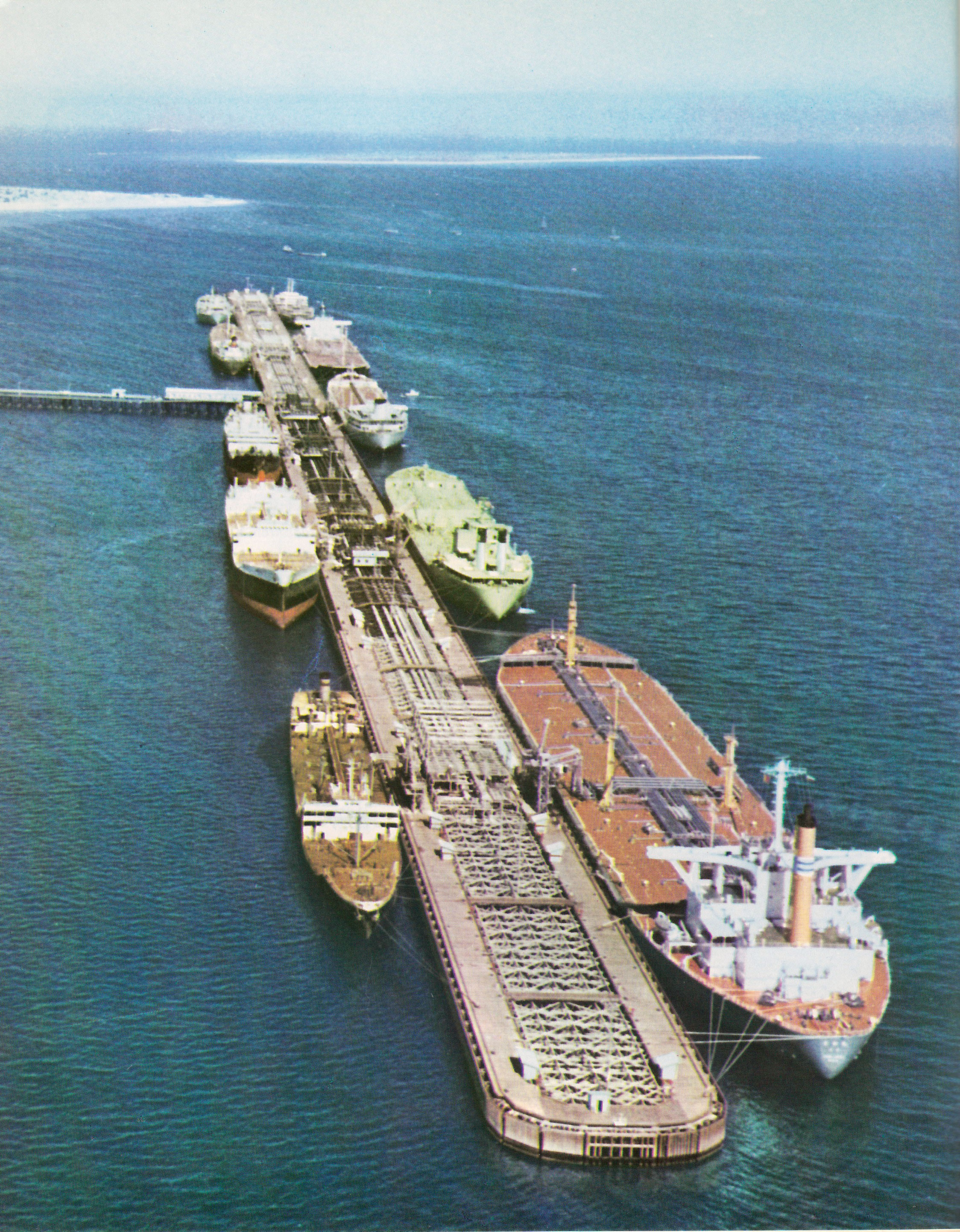
LONDON — Iran is exporting between 1.5 and 1.8 million barrels of crude oil per day, according to data compiled by tanker-tracking firms Kpler and Vortexa — a level not seen since before the reimposition of U.S. "maximum pressure" sanctions in 2018 and among the highest since the 2015 nuclear deal era.
The exports are being conducted through a web of intermediaries, shell companies, and obfuscation techniques that have become increasingly sophisticated, effectively creating a parallel Iranian oil market that operates largely outside Western regulatory reach.
China absorbs by far the largest share — estimated at 1.2 to 1.4 million bpd — primarily through independent refineries in Shandong province known as "teapot" refiners, which are less exposed to U.S. secondary sanctions pressure than large state-owned Chinese companies. India, Malaysia, Syria, and Venezuela also receive smaller but significant volumes.
The Shadow Fleet
The mechanics of Iran's shadow oil trade rely on a fleet of hundreds of tankers — many of them ageing vessels with opaque ownership structures — that transport Iranian crude with their transponders switched off or set to misleading locations. Ship-to-ship transfers in international waters, typically off the coasts of Malaysia, Oman, or in the Strait of Malacca, allow Iranian oil to be blended or relabelled as product from other countries before it reaches port.
Satellite imagery and vessel-tracking analysis by firms including TankerTrackers.com have documented dozens of such transfers every month. The oil typically arrives at Chinese ports labelled as Malaysian, Iraqi, or Omani crude — origins that face fewer regulatory barriers.
The financial flows are equally complex. Payments are typically routed through trading companies in the UAE, Hong Kong, or Turkey, with Chinese banks using internal settlement systems that bypass SWIFT. Some transactions are settled in Chinese yuan or through barter arrangements involving manufactured goods.
"There is no clean way to do this. But 'not clean' and 'not happening' are very different things. The oil is flowing. The money is flowing. The sanctions are being absorbed rather than enforced." — Senior analyst at a London-based energy consultancy, speaking on background
Why the West Has Not Stopped It
Successive U.S. administrations have imposed sanctions on dozens of tanker operators, trading companies, and financial intermediaries involved in Iranian oil sales. The Treasury Department's Office of Foreign Assets Control (OFAC) regularly publishes designations of ships and entities. But the pace of designation has consistently lagged behind Iran's ability to rotate in new intermediaries.
More fundamentally, enforcement requires the cooperation of the countries where Iranian oil ultimately arrives — and China has made clear that it will not participate in a sanctions regime it views as illegitimate unilateralism. Chinese officials have consistently described their oil purchases from Iran as a sovereign matter that does not violate Chinese law or its international obligations.
The Biden and subsequent administrations opted for "strategic patience" — periodically tightening enforcement around the edges while not pursuing the kind of aggressive secondary sanctions campaign that would directly target Chinese state-owned enterprises, a move that could trigger a serious diplomatic crisis.
Economic Lifeline for Tehran
Oil revenue remains the lifeblood of Iran's government finances. The National Iranian Oil Company estimates that each 100,000 barrel-per-day increase in exports generates roughly $1.5 billion in additional annual government revenue at current prices, assuming a $15–20 per barrel discount to the international benchmark that Iran typically accepts to attract buyers willing to absorb sanctions risk.
At current export levels, Iran is generating upwards of $25–30 billion per year in crude oil revenues — substantially less than it could earn without sanctions (which would likely allow exports of 2.5–3 million bpd at full Brent prices), but enough to fund the government's core obligations and sustain the Revolutionary Guards' budget.
Iranian officials are careful not to publicise exact export figures, knowing that detailed acknowledgement of the shadow trade's scale could provoke stronger enforcement responses. State media typically describe oil exports only in vague terms, attributing growth to "the heroic efforts of the oil ministry team."
Could a Nuclear Deal Change This?
If negotiations in Vienna produce a nuclear deal, Iran would in theory be able to resume open oil exports under a legitimate framework — potentially doubling its revenues. But the shadow export network has created its own beneficiaries and political economy.
Entities connected to the IRGC and to powerful economic foundations known as bonyads have carved out roles as intermediaries in the shadow trade, earning fees and commissions that would largely disappear if Iran's oil sector were reintegrated into the transparent international market.
"A deal doesn't automatically mean the shadow network disappears," said one Western diplomat familiar with the issue. "There are people inside Iran who have gotten very rich from the sanctions-era arrangements. They are not enthusiastic about going back to normal."
OPEC+, the producer alliance that Iran is nominally part of but not actively constrained by, has taken no formal action regarding Iran's unquota'd exports, which some member states privately resent as free-riding on production cuts made by others.