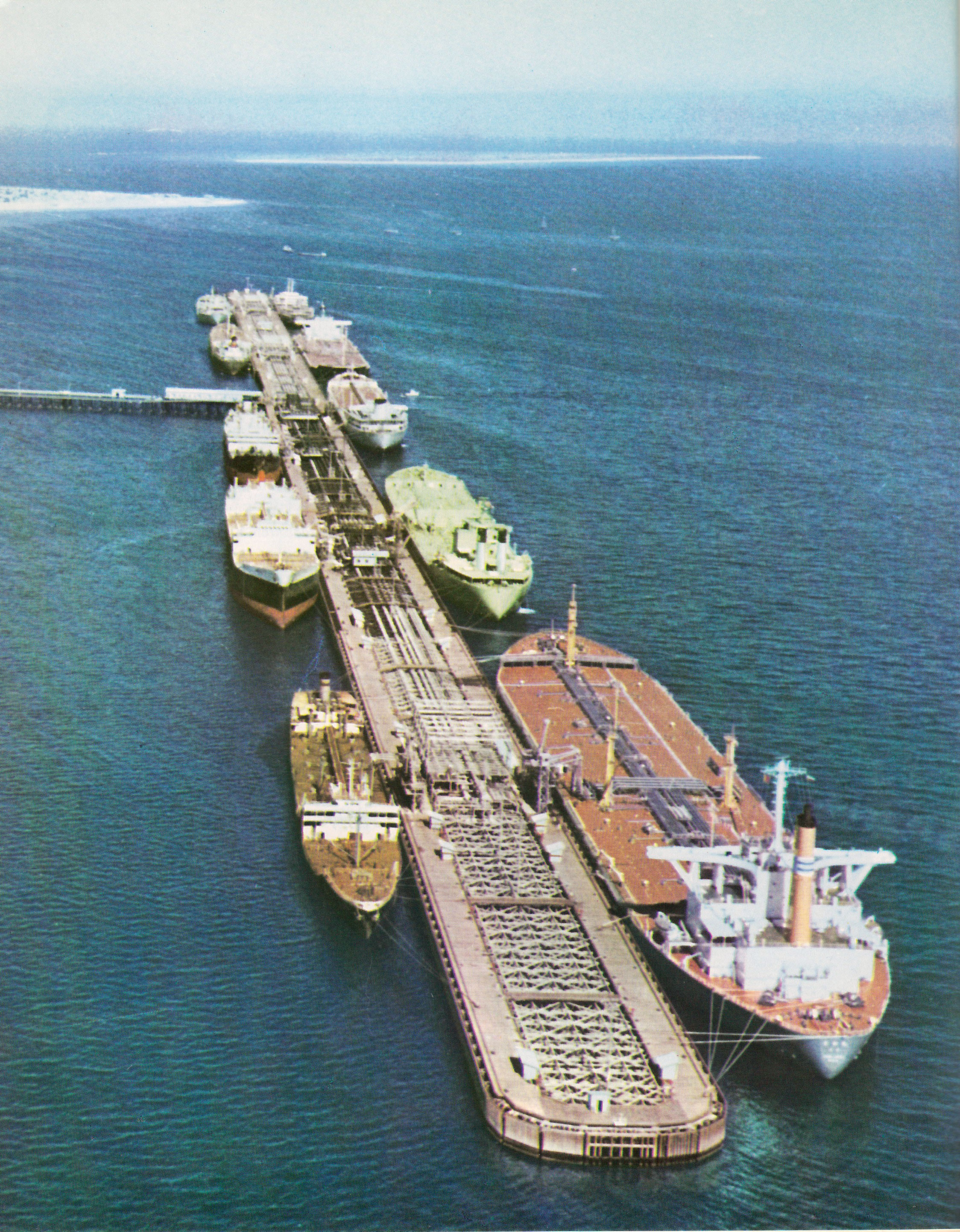
Iranian crude exports have climbed to their highest level in three years via a sophisticated network of ship-to-ship transfers and flag changes.

The South Pars/North Dome field shared with Qatar holds reserves that could transform Iran's economy — if it can ever be fully developed under the shadow of sanctions.

Despite enormous fossil fuel resources, Iran suffers severe electricity shortages in summer and winter — a consequence of decades of subsidised prices, underinvestment, and political dysfunction.
Tehran has announced ambitious solar and wind energy targets, but financing constraints and institutional inertia have kept the fossil fuel share of the energy mix stubbornly high.
Senior energy officials from Tehran and Moscow have held preliminary discussions about co-developing liquefied natural gas facilities that could export to Asian markets via alternative financial channels.
Iran's petrochemical industry produced a record volume of goods in the last Iranian fiscal year, with most output finding buyers in China, India, and through intermediary traders in the Gulf.
Despite sitting on the world's second-largest natural gas reserves, Iran burns off enormous quantities of gas due to ageing infrastructure, lack of investment, and domestic pricing policies that make capture uneconomic.
